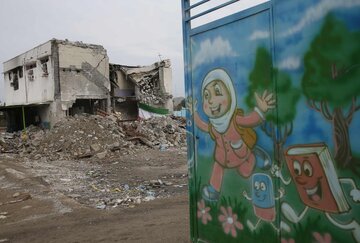
AhlulBayt News Agency (ABNA): Talal Atrisi, a Lebanese social researcher, stating that pressure on the social environment of the resistance is in fact aimed at weakening the resistance itself, said that these actions are being pursued with the participation of international, regional, and some domestic currents.
According to him, the goal of this approach is for the community supporting the resistance to perceive its own problems and costs as resulting from supporting the resistance. Atrisi identified supporting the affected community, countering economic pressures, rebuilding damaged areas, and strengthening media and cultural discourse to increase public trust as ways to counter this process.
Mouni Sakriya, a Lebanese journalist and author, also in this report, traced the roots of media attacks to the nature of the confrontation between the resistance project and the Zionist regime, and emphasized that the resistance needs professional, dynamic, and dialogue-based media to maintain its position. He believes that awareness-raising, transparency, and explaining realities play an important role in increasing the community's resilience and countering psychological warfare.
Additionally, Abadeh Kasr, a sociology researcher, noting that today's war is not only fought on the military field, said that media and social networks have become tools for shaping public opinion and producing political narratives.
He called for the development of a comprehensive strategy for documenting the crimes of the Zionist regime, countering misinformation, utilizing international legal capacities, and creating a coalition of media, legal experts, researchers, and civil society organizations, and emphasized that maintaining social cohesion and national identity is the most important factor against political and media pressures.
**************
End/ 345E